Affiliate programs for Instagram influencers are a powerful way to monetize your online presence and connect with your audience in a mutually beneficial way. Understanding the nuances of these programs is key to success, from choosing the right affiliate partners to creating engaging content that drives sales.
This guide dives deep into the world of Instagram affiliate marketing, exploring the various program types, strategies for maximizing your impact, and essential best practices for success. We’ll cover everything from setting up your affiliate program to measuring campaign performance, with a particular focus on the often-overlooked aspects of ethical considerations and legal compliance.
Introduction to Affiliate Programs

Affiliate marketing is a performance-based marketing strategy where a business rewards individuals or entities (affiliates) for driving traffic and sales. Essentially, affiliates promote a product or service, and earn a commission for each sale or lead generated through their unique referral link. This model incentivizes affiliates to actively market the product and fosters a collaborative relationship between the business and its promoters.Instagram influencer marketing leverages the platform’s vast audience reach and engagement to promote products and services.
Influencers, with their established online presence and loyal followers, can significantly impact purchasing decisions. This dynamic allows brands to tap into a highly targeted audience, often resulting in substantial returns on investment.The intersection of affiliate marketing and Instagram influencer marketing is a powerful combination. Influencers, with their established Instagram presence, can effectively promote products and services through affiliate links, driving traffic and sales for the brands they partner with.
This synergy creates a mutually beneficial relationship, allowing brands to expand their reach and influencers to monetize their online influence.
Affiliate Program Types
Different affiliate programs cater to various needs and business models. Understanding the nuances of these programs can help in selecting the most suitable approach.
| Program Type | Description | Benefits | Drawbacks |
|---|---|---|---|
| Commission-Based Programs | These programs typically pay affiliates a percentage of each sale generated through their unique referral link. | Simple to understand and implement, providing clear incentives for affiliate promotion. | Potential for low commissions on lower-priced products or services, fluctuating sales volume can affect earnings. |
| Performance-Based Programs | These programs reward affiliates based on specific actions, such as lead generation, sign-ups, or downloads, rather than just sales. | Allows for a broader range of marketing strategies, suitable for products with longer sales cycles. | Can be more complex to track and measure results accurately, potentially requiring a more substantial initial investment in tools. |
| Tiered Commission Programs | These programs offer escalating commission rates based on the affiliate’s performance, such as sales volume or referrals. | Incentivizes sustained high-volume promotion and rewards consistent efforts. | May require a higher sales volume to reach higher tiers, potentially impacting earnings for affiliates with limited reach. |
Choosing the Right Affiliate Program
Selecting the right affiliate program is crucial for Instagram influencers, impacting their earnings and brand image. A well-chosen program aligns with the influencer’s niche, resonates with their audience, and offers a lucrative commission structure. Understanding the nuances of various payment models and carefully evaluating programs through a structured checklist ensures a successful and sustainable affiliate partnership.
Niche Alignment
A fundamental aspect of choosing an affiliate program is ensuring its products or services complement the influencer’s niche. A strong alignment creates a natural fit for recommendations, leading to increased trust and engagement. For example, a fitness influencer promoting workout gear from a company specializing in athletic apparel would have a clear niche alignment. Conversely, recommending products unrelated to their expertise could damage credibility and harm audience perception.
Authenticity is paramount in affiliate marketing.
Commission Structures
Commission structures significantly influence an influencer’s decision-making process. Different programs offer various commission models, ranging from fixed percentages to tiered structures based on sales volume. Influencers must consider which model best suits their engagement style and audience. A high commission rate may compensate for lower sales volume, while a tiered model might incentivize increased sales efforts. For example, an influencer with a smaller, highly engaged audience might benefit from a higher commission rate on fewer sales, whereas a broader reach influencer could potentially leverage a tiered structure to incentivize greater sales.
Payment Models
The payment models of affiliate programs vary. Some programs use a pay-per-sale model, where the influencer receives a commission each time a sale is generated through their unique affiliate link. Others utilize a recurring commission structure, which pays a recurring amount based on a sale. Understanding these distinctions allows influencers to choose programs that align with their specific needs and goals.
For instance, a program that pays a percentage of recurring subscription fees might be beneficial for an influencer promoting subscription boxes.
Evaluating Affiliate Programs: A Checklist
This checklist helps influencers evaluate affiliate programs effectively:
- Niche Alignment: Does the program’s product or service align with the influencer’s niche and target audience? Assessing the compatibility is crucial for maintaining authenticity.
- Commission Structure: What is the commission rate? Is it a fixed percentage or tiered? Are there any minimum sales requirements or restrictions? Understanding the specifics is essential for calculating potential earnings.
- Payment Model: What is the payment cycle? How often are commissions paid? Are there any upfront costs or fees associated with joining the program? Detailed information on payment procedures is necessary.
- Program Transparency: Are the terms and conditions clearly Artikeld? Is there sufficient information about the program’s history and reputation? Understanding the program’s reliability and transparency is crucial for long-term success.
- Support and Resources: Does the program offer any support or resources to influencers? Are there training materials, promotional tools, or community forums available? Influencers should look for programs that provide ongoing support.
- Contract Terms: Review the entire contract thoroughly. Understand the duration, termination clauses, and any restrictions on promotion or content. Ensuring clarity in contract terms prevents unforeseen issues.
Setting Up an Instagram Affiliate Program
Getting started with affiliate marketing on Instagram requires careful planning and execution. Understanding the mechanics of affiliate programs, choosing the right ones, and integrating them seamlessly into your content strategy are crucial for maximizing your earnings and maintaining a genuine connection with your audience. This section focuses on the practical steps involved in establishing and managing your affiliate program on the platform.Setting up an affiliate program on Instagram involves several key steps.
First, you need to select and sign up with relevant affiliate programs. Next, strategically integrate your affiliate links into your content, ensuring compliance with disclosure regulations. Finally, establish effective tracking and monitoring systems to assess campaign performance.
Creating an Affiliate Program on Instagram
Successfully establishing an affiliate program on Instagram requires a well-defined approach. Begin by thoroughly researching and selecting affiliate programs that align with your content niche and audience interests. Ensure the products or services complement your existing content and resonate with your followers. Once you’ve chosen suitable programs, sign up and receive your unique affiliate links. Remember to keep your affiliate links readily available and easily accessible for your audience.
Integrating Affiliate Links into Instagram Posts
To maximize the impact of your affiliate links, integrate them strategically across various Instagram content formats. This includes using your Instagram bio link, story features, and captions. A well-integrated approach enhances visibility and engagement.
Methods of Displaying Affiliate Links
- Bio Links: Using a bio link is a straightforward method for linking to affiliate products or services. You can use a dedicated link-in-bio tool or a URL shortener service to create a streamlined experience for your followers.
- Stories: Stories provide an interactive way to highlight products or services. Utilize the swipe-up feature to direct viewers to your affiliate links. Avoid cluttering stories with too many affiliate links, maintaining a balanced approach.
- Captions: Incorporating affiliate links within captions is a common practice. However, ensure the links are seamlessly integrated within the context of your post and avoid overly promotional language. Include a brief, compelling description of the product or service. For example, instead of simply saying “Check out this amazing product,” explain why your audience should be interested, highlighting key features or benefits.
This creates a more natural and engaging experience.
Affiliate Disclosure Practices
Open and transparent disclosure practices are essential for maintaining trust with your audience. Following Instagram’s guidelines on disclosing affiliate relationships is paramount. Complying with regulations fosters trust and credibility. This transparency is critical for building long-term relationships with your audience.
- Explicit Disclosure: Clearly state your affiliation with the brand or product in your posts. Use phrases like “Affiliate Link,” “Partnership with,” or “This is an affiliate link,” ensuring your audience understands the nature of your posts.
- Contextual Integration: Incorporate your disclosure within the natural flow of your content. Avoid abrupt or overly promotional disclosures. Weave the disclosure seamlessly into the caption, story, or bio link. Avoid placing it in a small, obscure text or a footnote. The disclosure should be easily noticed by the audience without hindering the flow of the content.
- Consistency: Maintain consistency in your disclosure practices across all your Instagram content. This reinforces trust and builds a recognizable pattern for your audience. Using a consistent approach strengthens your brand’s image.
Tracking Affiliate Sales and Campaign Performance
Monitoring affiliate sales and campaign performance is crucial for optimizing your strategy. Employ tools that track sales generated through your affiliate links. These tools provide valuable insights into campaign performance. Analyze the data to identify successful strategies and areas needing improvement.
- Tracking Tools: Utilize affiliate marketing platforms or link-in-bio tools that offer detailed tracking features. These tools provide insights into click-through rates, conversions, and overall campaign performance.
- Performance Analysis: Analyze data from your tracking tools to understand which posts, products, and strategies are performing best. Use this information to refine your future content and campaign strategies. Regular analysis provides insights into the effectiveness of your affiliate marketing efforts.
Strategies for Success
Leveraging Instagram for affiliate marketing requires a strategic approach. Beyond simply posting about products, influencers need to build genuine connections with their audience and present affiliate links within engaging content. This involves crafting compelling narratives, understanding your audience’s needs, and consistently delivering valuable information. A well-defined strategy will maximize your impact and drive sales.
Effective Strategies for Promoting Affiliate Programs
Effective promotion of affiliate programs on Instagram hinges on authenticity and value. Avoid overtly promotional posts, instead weaving affiliate links seamlessly into your existing content strategy. Highlighting the benefits of the product to your audience, demonstrating its practical use, and fostering a sense of community around the product will resonate better than direct advertising. Remember, building trust is key.
Content Creation Strategies for Affiliate Marketing
Content creation is paramount for successful affiliate marketing on Instagram. Focus on high-quality, visually appealing content that aligns with your brand and resonates with your target audience. This might include product reviews, tutorials, lifestyle posts, or behind-the-scenes glimpses. The key is to create content that genuinely interests your followers, not just posts designed to push affiliate links.
Show, don’t just tell.
Examples of Engaging Instagram Posts about Affiliate Products
High-quality images and videos are crucial for engaging posts. A post showcasing a stylish outfit featuring an affiliate-linked clothing item with a captivating caption describing the experience of wearing the outfit, would be an example. Another post could be a tutorial on using a specific makeup product, featuring before-and-after shots, and the link to purchase the affiliate-linked product.
The key is to connect with your followers on an emotional level.
Different Ways to Engage Followers in Affiliate Campaigns
Engaging followers is vital for driving conversions. Run contests, Q&As, or polls related to the affiliate product to generate excitement and interaction. Use Instagram Stories to share behind-the-scenes glimpses of using the product, creating a sense of authenticity and connection. Encourage user-generated content by asking followers to share their experiences with the product, and reposting their photos or videos to boost visibility.
Instagram Engagement Tactics for Affiliate Marketing
Engaging your followers is a multi-faceted strategy. Consider these tactics to increase interaction and drive sales through your affiliate links:
- Interactive polls and quizzes: Create polls and quizzes related to the product to encourage engagement and provide valuable information.
- Behind-the-scenes content: Showcase the product’s origin or creation process through Stories or Reels, creating a sense of exclusivity.
- Contests and giveaways: Run contests or giveaways to increase visibility and drive engagement. Offer a prize related to the affiliate product.
- Collaborations with other influencers: Partner with influencers in your niche to reach a wider audience and generate buzz.
- User-generated content campaigns: Encourage followers to share their experiences with the product, and re-share their content to promote authenticity and brand loyalty.
Amazon Affiliate Programs
Amazon’s affiliate program is a popular choice for Instagram influencers due to its vast product selection and established customer base. It offers a straightforward way for influencers to monetize their content by promoting products to their followers. This program provides a substantial opportunity to generate revenue and grow a brand alongside your personal brand.Amazon’s affiliate program leverages the massive reach and trust of the Amazon marketplace.
Influencers can seamlessly integrate product recommendations into their content, capitalizing on the existing customer loyalty and trust that Amazon has cultivated over the years. This creates a powerful synergy between influencer marketing and the power of Amazon’s sales platform.
Specifics of Amazon Affiliate Programs
Amazon’s affiliate program is built around a commission-based structure. Influencers earn a percentage of the sale price when a customer purchases a product through a unique affiliate link. This commission structure is often tiered and varies based on product category and the influencer’s level of engagement with the program. The program also offers various tools and resources to help influencers track their performance and manage their affiliate links effectively.
Advantages of Using Amazon as an Affiliate Platform
- Extensive Product Selection: Amazon’s vast inventory provides influencers with a wide array of products to promote, catering to diverse interests and needs.
- Established Customer Base: Amazon’s global customer base provides a ready audience for influencer marketing campaigns. This existing trust is a significant advantage.
- User-Friendly Platform: Amazon’s affiliate program offers a straightforward platform with tools to easily manage affiliate links and track performance. This ease of use is a major draw for influencers.
- High Conversion Rates: The popularity of Amazon and its established brand recognition contribute to higher conversion rates when influencers promote products on the platform.
Disadvantages of Using Amazon as an Affiliate Platform
- High Competition: The program’s popularity means that competition among influencers is often high, making it challenging to stand out and gain significant commissions.
- Commission Rates: Commission rates on Amazon can vary widely depending on the product category, which can affect profitability. Influencers should carefully consider the potential return before focusing on a particular product line.
- Product Quality Concerns: While Amazon has a rigorous quality control process, there is always a potential for influencer to recommend a product with a less favorable quality rating than expected.
- Platform Policies: Influencers need to be mindful of Amazon’s policies regarding product promotion to avoid potential violations that could result in account restrictions.
Joining and Utilizing Amazon’s Affiliate Network
The Amazon affiliate program is accessible through a simple application process. Influencers need to create an account, obtain their unique affiliate link, and start promoting products. Tools for managing affiliate links and tracking performance are readily available. The key to success is to focus on building a genuine relationship with your audience and promoting products that align with their interests.
Successful Amazon Affiliate Strategies for Influencers
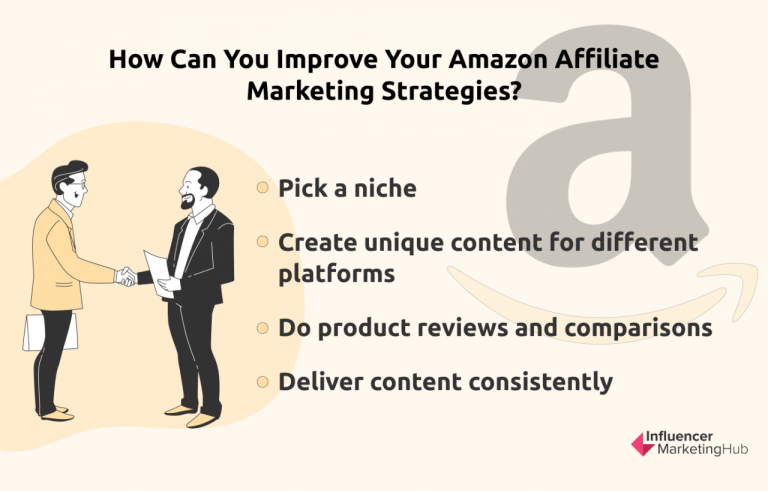
- Niche Focus: Focusing on a specific niche or interest area can help influencers stand out from the competition. For example, a fashion influencer could focus on a particular style or trend, while a parenting influencer could concentrate on specific age groups or products.
- High-Quality Content: Creating high-quality content that resonates with the target audience is essential. This can include detailed product reviews, informative tutorials, or engaging stories that highlight the value of the product.
- Authenticity: Influencers should maintain an authentic voice and promote products that align with their values and the interests of their followers. Promoting products genuinely used by the influencer can strengthen authenticity.
- Transparency: Clearly disclosing affiliate relationships with followers is crucial to maintain trust. Using designated disclosure language (such as “affiliate link”) is necessary to be compliant with FTC guidelines.
Comparison to Other Affiliate Platforms
Amazon’s affiliate program offers a vast product selection and a large customer base. However, other platforms may offer higher commission rates or specialized niches. For example, specialized retailers might offer higher commissions in specific areas, while smaller, more specialized programs may provide greater opportunities for influencers to cultivate a dedicated following. The choice of platform depends on the influencer’s specific needs and goals.
Best Practices and Considerations
Navigating the world of affiliate marketing requires more than just setting up a program. Success hinges on understanding best practices, ethical considerations, and legal requirements. Influencers must be mindful of common pitfalls to maintain credibility and build long-term partnerships with brands.
Common Mistakes by Influencers
Influencers often fall prey to a few common mistakes in affiliate marketing. These include failing to clearly disclose affiliate relationships, promoting products they don’t genuinely use or believe in, creating content that feels overly promotional, and neglecting to track results effectively. These practices can damage trust with their audience and ultimately hurt their long-term success.
Ethical Considerations
Maintaining ethical standards is paramount in affiliate marketing. Influencers should prioritize transparency, honesty, and authenticity in their content. Genuine endorsements of products and services resonate more strongly with audiences and build trust. Avoid exaggerating product benefits or misleading viewers with false claims.
Legal and Regulatory Requirements
Understanding legal and regulatory requirements is crucial. Influencers must comply with disclosure regulations, such as clearly stating affiliate relationships in their content. Misrepresenting endorsements or concealing affiliate links can lead to legal issues. Always research the specific regulations for your location to avoid penalties.
Managing Expectations
Effective management of expectations with affiliate programs is essential. Clearly Artikel expectations to both the brand and the audience. Realistic goals and achievable milestones will foster a collaborative environment and lead to mutually beneficial partnerships. Overpromising or failing to deliver on promises will erode trust and damage the relationship.
Checklist for Avoiding Common Pitfalls
This checklist provides a practical guide for avoiding common pitfalls:
- Transparency is Key: Clearly disclose affiliate relationships using appropriate language and formatting (e.g., “affiliate link,” “sponsored post”).
- Authenticity is Crucial: Only promote products or services you genuinely believe in and use.
- Avoid Exaggeration: Focus on factual product descriptions and benefits, avoiding inflated or misleading claims.
- Track Performance: Use analytics tools to monitor the effectiveness of your affiliate campaigns and adjust your strategy accordingly.
- Stay Updated: Regularly review changes in regulations and best practices in affiliate marketing.
- Prioritize Audience Engagement: Create valuable and engaging content that provides real value to your audience, rather than just pushing products.
- Follow Brand Guidelines: Adhere to any specific guidelines provided by the brands you’re working with.
Measuring Results
Understanding the performance of your affiliate marketing campaigns is crucial for optimizing your strategy and maximizing returns. Effective tracking and analysis allow you to identify what’s working, what’s not, and make data-driven adjustments to your approach. This section dives into the key metrics, tracking methods, and analytical strategies essential for success.A robust measurement system enables you to understand the effectiveness of your affiliate marketing efforts.
By consistently monitoring key performance indicators (KPIs), you can fine-tune your strategies, improve conversion rates, and ultimately boost your revenue.
Key Performance Indicators (KPIs)
Analyzing various metrics provides a comprehensive view of campaign success. Different KPIs offer insights into distinct aspects of your affiliate marketing. Important KPIs include click-through rates (CTRs), conversion rates, average order values (AOV), and cost per acquisition (CPA).
Tracking Affiliate Sales
Accurate tracking of affiliate sales is paramount for evaluating performance. Several methods facilitate this process, ranging from affiliate link tracking tools to dedicated affiliate management platforms. Proper tracking allows you to accurately attribute sales to specific affiliates, enabling informed decisions regarding campaign adjustments.
Analytics Dashboards
Implementing dedicated analytics dashboards provides a centralized view of campaign performance. These dashboards consolidate key metrics, allowing for a visual representation of campaign progress. Tools like Google Analytics, specifically tailored affiliate marketing platforms, and custom-built solutions are common choices. For example, a dashboard might display daily sales figures, conversion rates, and affiliate performance rankings, all in one easy-to-understand format.
Analyzing Data for Improvements
Regular analysis of collected data is vital for identifying areas requiring attention. By examining trends and patterns, you can pinpoint strengths and weaknesses in your campaigns. Analyzing data, for example, may reveal that a particular affiliate performs exceptionally well in a specific niche, or that a specific product is particularly appealing to your target audience.
Adapting Affiliate Campaigns
Based on data analysis, campaign adjustments can significantly improve results. Understanding which elements are driving success and identifying areas needing improvement allows for strategic adaptations. For example, if a specific affiliate consistently underperforms, consider reassigning them to a different product line or offering them additional support. This iterative approach allows you to optimize your affiliate marketing campaigns for maximum efficiency and profitability.
Epilogue
In conclusion, successfully navigating affiliate programs on Instagram requires a strategic approach, combining a keen understanding of your niche with engaging content creation and ethical practices. By carefully considering the various program options, understanding commission structures, and implementing effective tracking methods, influencers can create sustainable and lucrative partnerships that benefit both themselves and their audience. The key takeaway is that careful planning and execution are paramount for long-term success.
FAQ Explained
What are some common mistakes influencers make when marketing affiliate products?
Failing to disclose affiliate relationships transparently, creating content that feels overly promotional, or neglecting to tailor recommendations to the specific needs and interests of their audience are common pitfalls. Over-reliance on generic content, neglecting audience feedback, and not having a clear strategy for measuring results are also problematic.
How can I ensure my affiliate disclosures are compliant with legal requirements?
Thorough research into the legal and regulatory landscape for affiliate marketing in your region is essential. Clearly and prominently disclosing affiliate relationships within your content is crucial, adhering to any specific guidelines Artikeld by relevant platforms or regulatory bodies.
What are the most effective ways to track affiliate sales and campaign performance?
Utilize dedicated affiliate tracking tools and platforms, closely monitor key metrics like clicks, conversions, and sales, and regularly analyze the data to identify areas for improvement. Regularly review campaign performance and adjust strategies based on insights from this data.
What are some potential challenges in choosing the right affiliate program?
Finding programs that align with your niche and audience can be challenging. Comparing commission structures, payment models, and the level of support provided by different affiliate programs is essential.